VeterinaryOngoing
American College of Veterinary Ophthalmologists (ACVO)
ACVO
Eye-examination standards referenced for inherited ocular disease screening.
Visit source Accessed July 2026
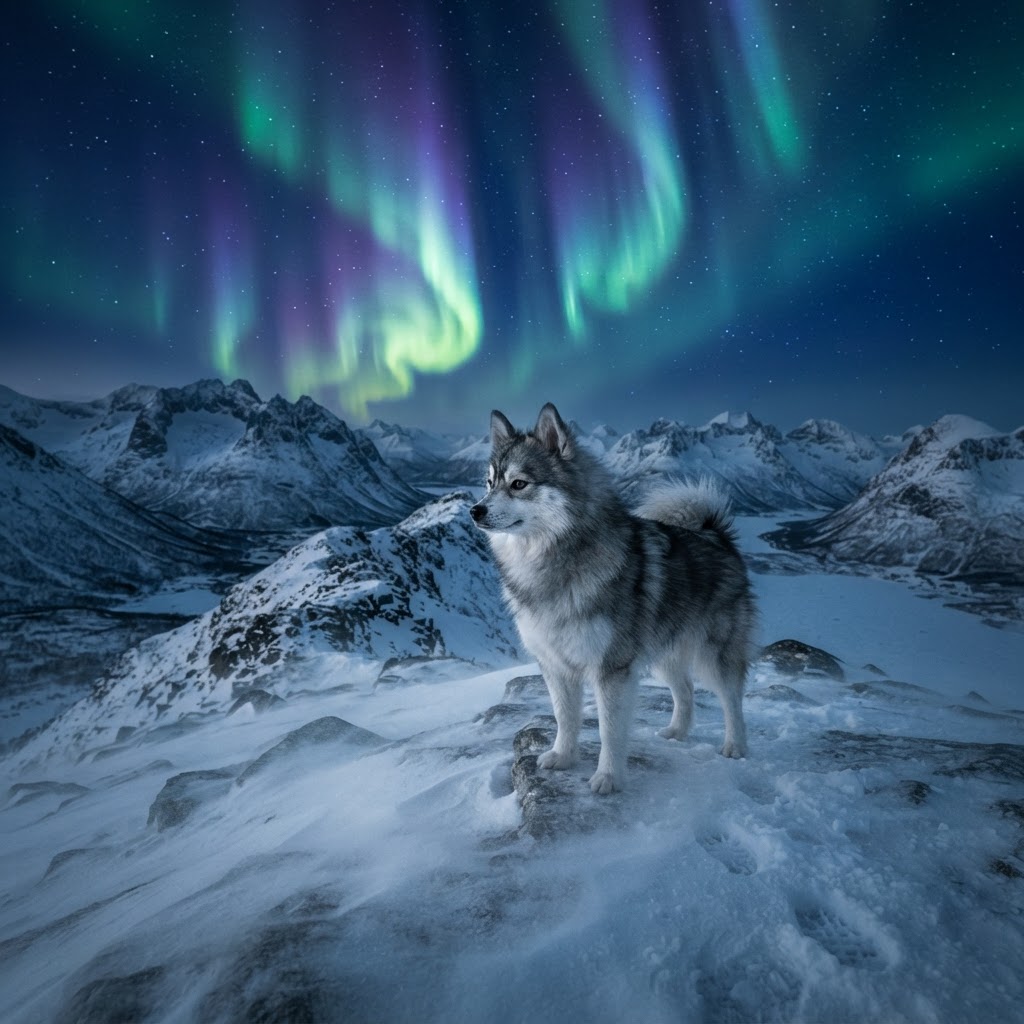
Pomsky • Mini Husky • Developing Northern Companion
A guide to the ancestry, history, appearance, care, health, and continuing development of the Pomsky — also known as the Arctic Spitz.
Arctic Spitz is an independent, noncommercial educational archive on the developing Pomsky breed — curated from public breed standards, canine-health organizations, veterinary guidance, and documented breed history.
Field Reference
A compact overview. Size, energy, and temperament vary considerably — these entries describe general tendencies, not universal guarantees.
Status
Developing companion breedRecognition status varies among organizations.
Foundation
Pomeranian × Siberian Husky
Other names
Pomsky • Mini Husky
Size
Toy, Miniature & StandardRanges vary by organization and lineage.
Coat
Double coat
Coat types
Standard, Plush, Wooly
Shedding
Moderate–heavySeasonal coat blows.
Energy
Moderate–highVaries by lineage and individual.
Trainability
Intelligent, may be independent
Vocality
Variable
Grooming
Moderate–intensiveDepends on coat type.
Climate
Cold-tolerantHeat precautions required.
The Pomsky is a developing canine breed derived from two foundation breeds: the Pomeranian and the Siberian Husky. The names Pomsky and Mini Husky are widely used, while “Arctic Spitz” is used by some breeders and organizations as a development name reflecting the breed’s shared Spitz ancestry from cold-climate regions.
Pomskies inherit a broad range of physical and behavioral traits from both parent breeds. In earlier filial generations, these characteristics may vary considerably; however, they may become more consistent as breeding lines advance over successive generations. Generation number alone does not guarantee predictability.
Arctic Spitz is used by some breeders and organizations as a development name reflecting the breed’s shared Spitz ancestry. Recognition status, terminology, standards, and permitted outcrosses vary between organizations and may change over time.
Ancestry
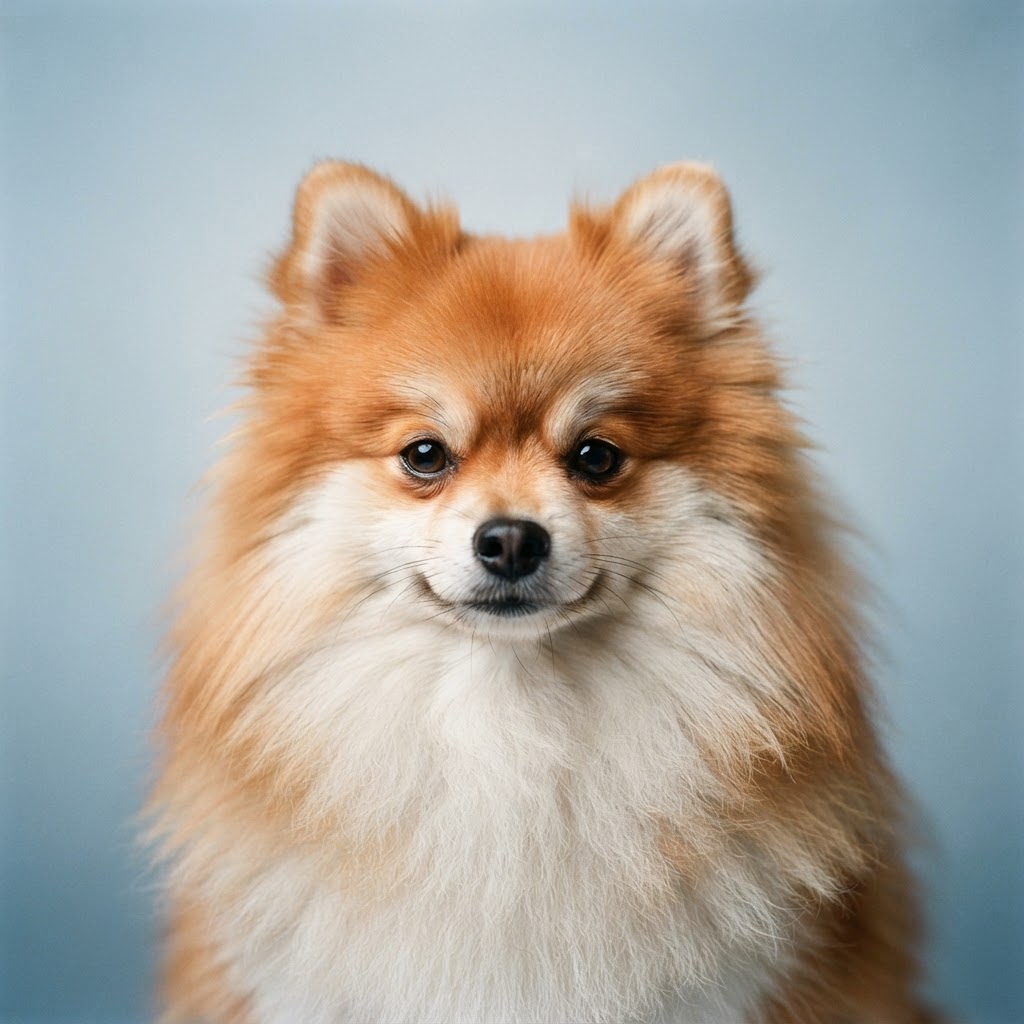
Pomeranian
Arctic Spitz
/ Pomsky
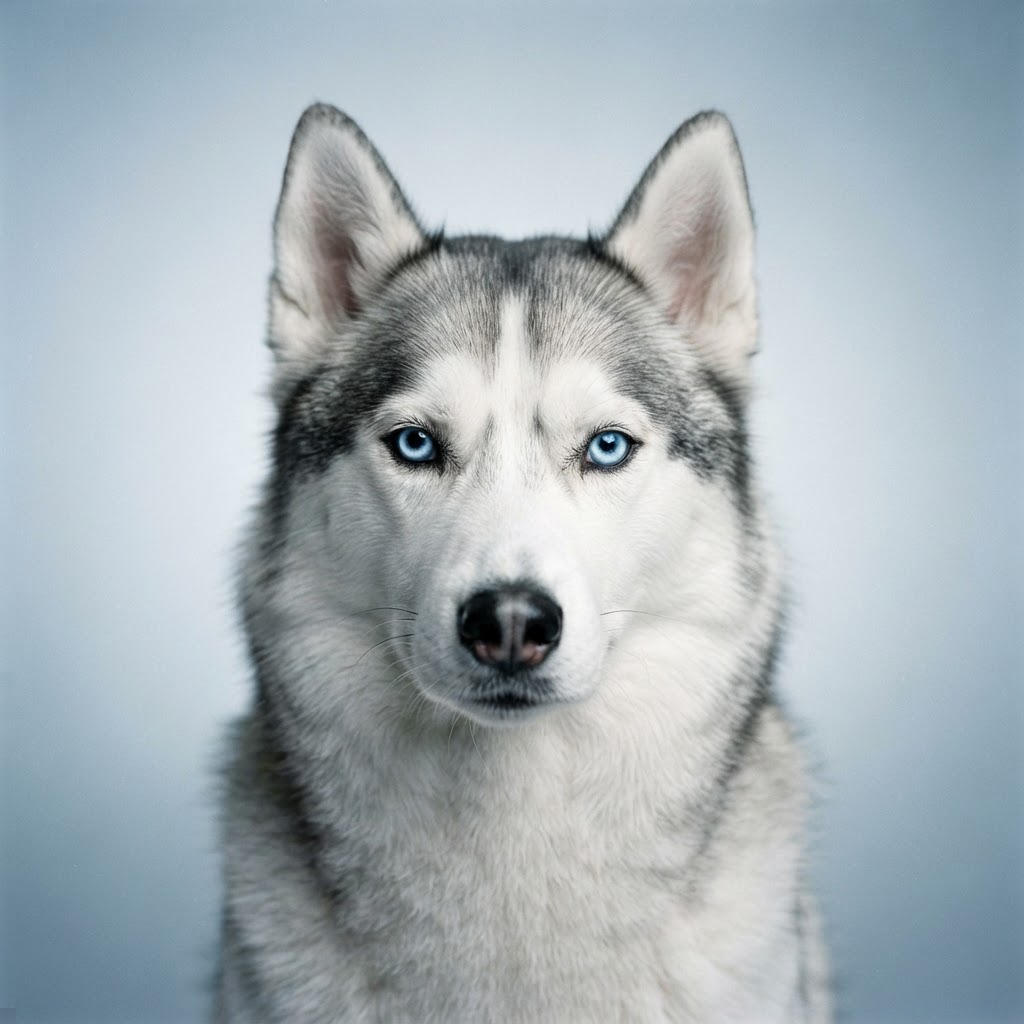
Siberian Husky
Behavior & Daily Life
Traits are influenced by ancestry, early development, socialization, training, and the individual dog. These are general tendencies, not guarantees.
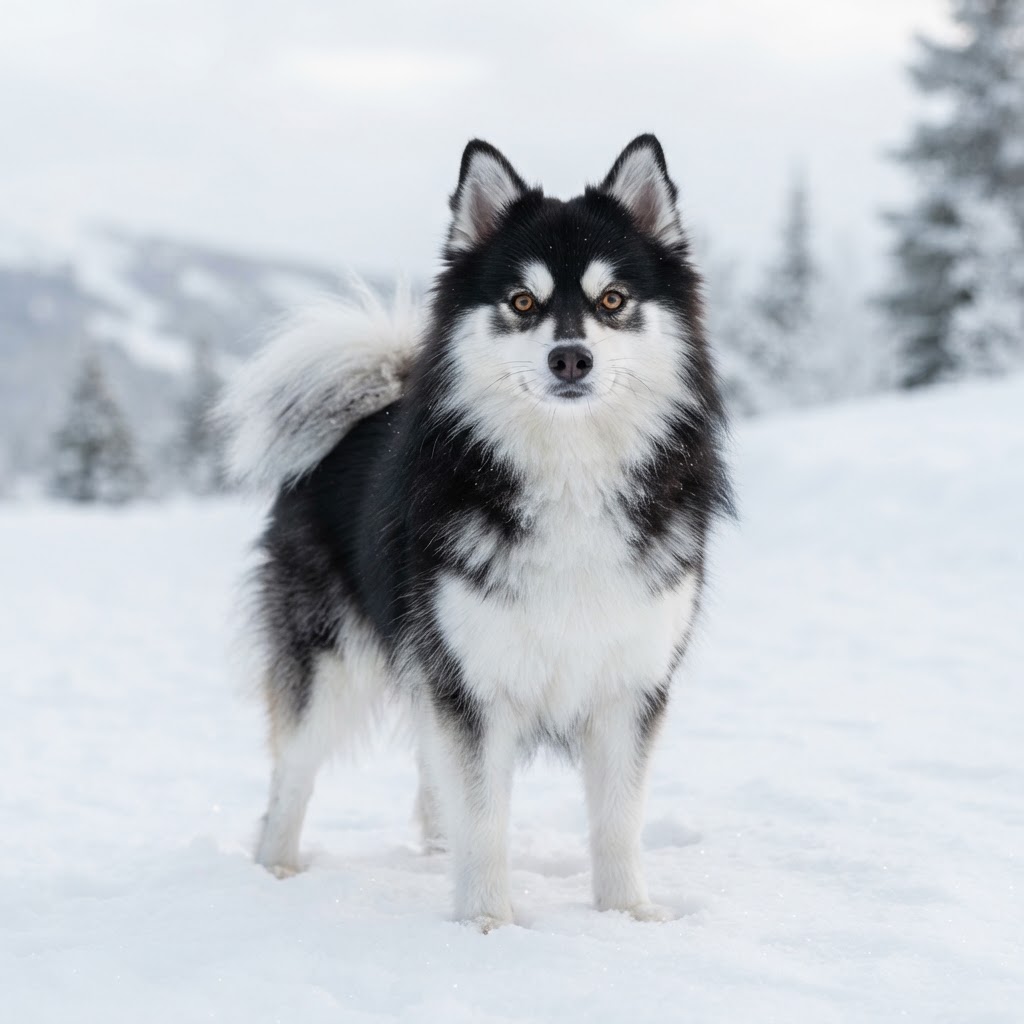
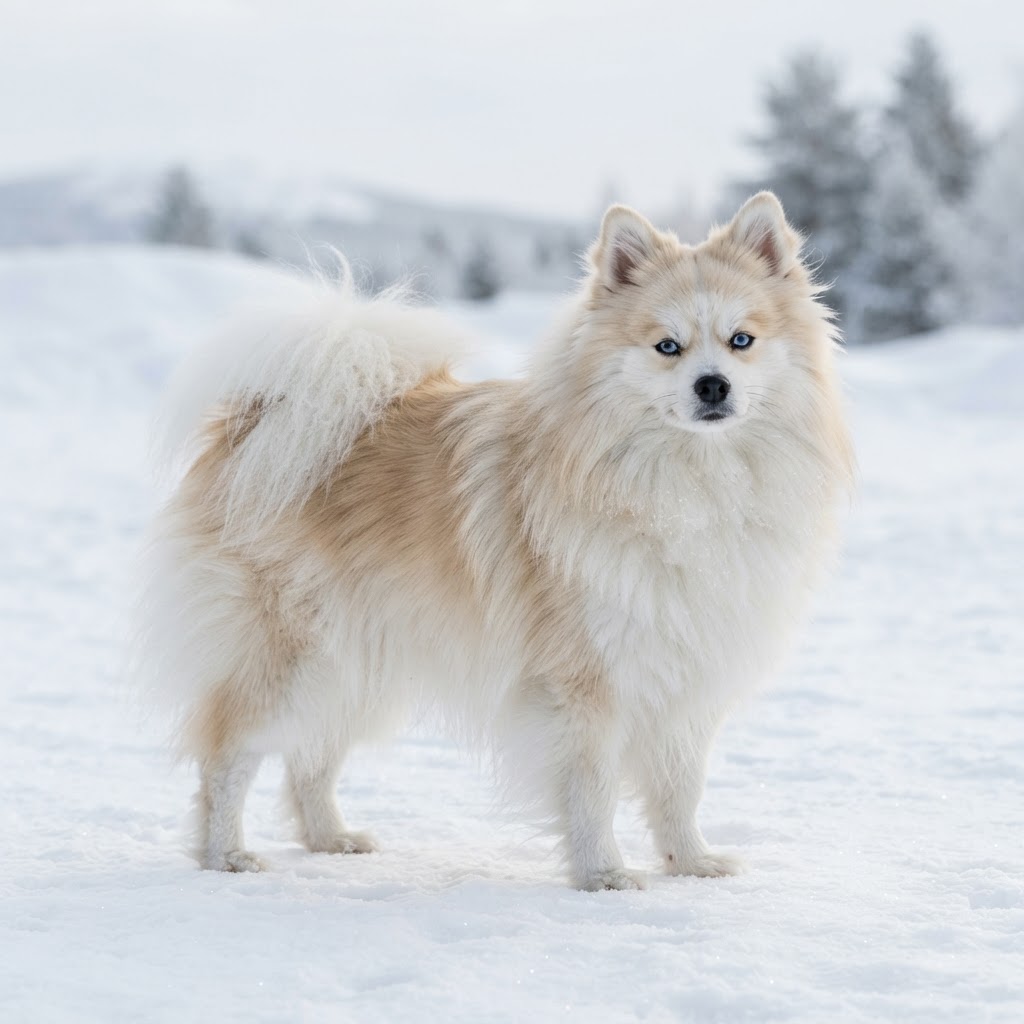
Pomsky coats are generally classified into three primary coat types. All variations possess a double coat and typically undergo heavy seasonal shedding twice annually. These classifications are distinguished by subtle differences in coat length, texture, density, and overall appearance. All three coat types possess a double coat and typically undergo heavy seasonal shedding twice annually, though shedding varies with climate, hormones, age, coat type, and the individual dog.
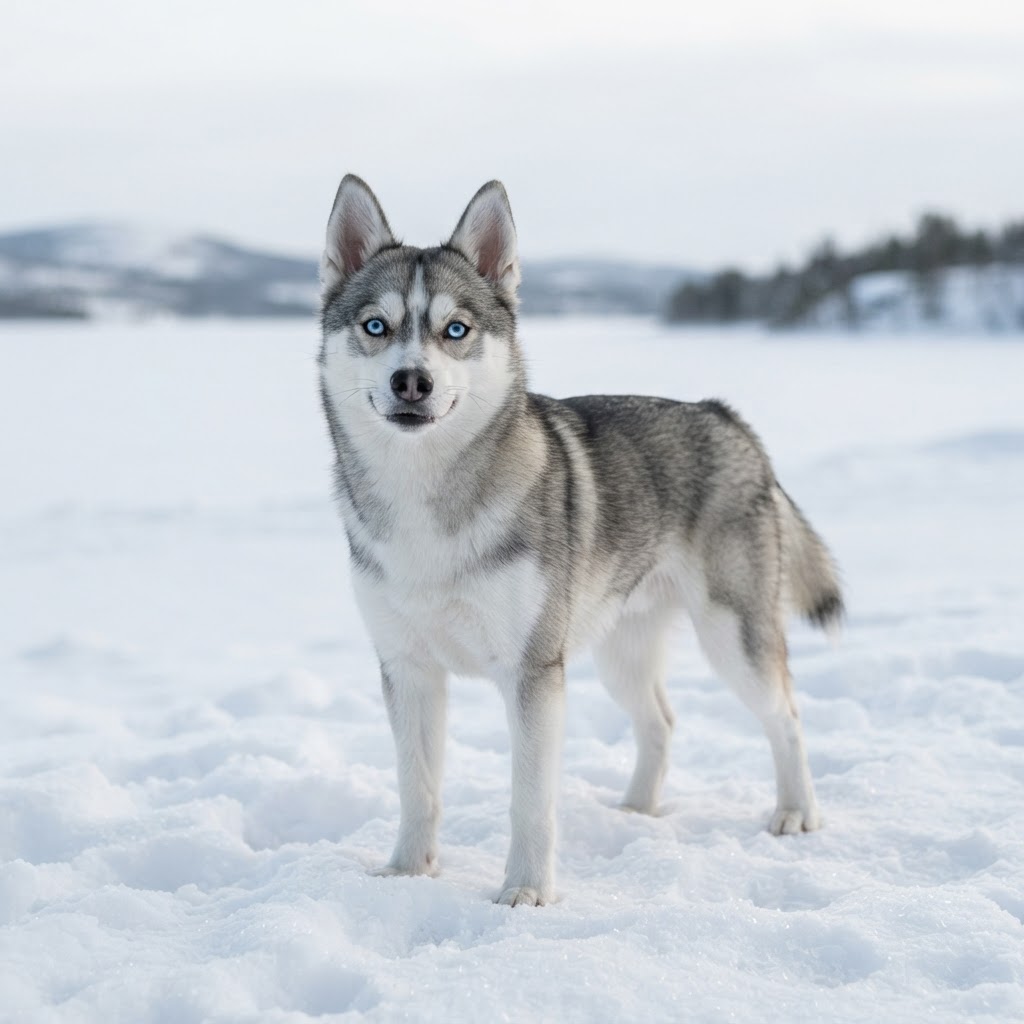
Standard
Fur Length
Short
Grooming Level · Routine
Plush
Fur Length
Medium
Grooming Level · Moderate
Wooly
Fur Length
Long
Grooming Level · Intensive
Pedigree & Development
Generation labels describe pedigree relationships, not predictable outcomes. Tap a generation to expand.
One Pomeranian parent and one Siberian Husky parent. First-generation crosses can vary widely in size, coat, and temperament.
Generation labels describe pedigree relationships. They do not guarantee a particular size, coat, color, temperament, or percentage shown by consumer DNA testing.
Pomskies should receive a complete and balanced diet appropriate for their life stage, body condition, activity level, and individual health needs. Appropriate options may include commercial kibble, canned food, properly formulated fresh or cooked diets, and — in consultation with a veterinarian — commercial or professionally formulated raw diets.
Ingredient lists alone do not determine nutritional quality. Owners should consider nutritional adequacy, manufacturer quality-control practices, feeding research, digestibility, caloric density, and veterinary guidance.
Dietary changes should be discussed with the dog's veterinarian.
This website was created as an educational resource for prospective owners deciding whether the breed suits their lifestyle, established breeders seeking consistent terminology for coat types, eye-color genetics, and health screening, and anyone interested in canine genetics or the development of a modern breed. Each section includes external references so readers can review the supporting evidence and verify information independently rather than relying on promotional claims.
This project is an independent, noncommercial effort maintained by enthusiasts of the developing breed. It is not affiliated with, endorsed by, or intended to represent any individual breeder, kennel club, or registry. Information is curated from publicly available breed standards, canine health organizations, veterinary and nutritional guidance, genetic research, and documented breed history.
Our goal is to provide a clear, balanced understanding of the Arctic Spitz as an emerging northern companion breed. We welcome corrections, credible sources, and constructive feedback through our contact page.
Widespread fascination surrounding the idea of a Husky–Pomeranian mix intensified after a viral BuzzFeed article mistakenly identified a puppy as a “Pomsky.” The article generated enormous public interest in the possibility of a real-life “miniature Husky.”
Breeders in the United States began intentionally producing Pomskies through artificial insemination, resulting in the first recognized litters. The objective was to combine the Siberian Husky’s striking appearance and energetic temperament with the Pomeranian’s smaller stature and affectionate nature — a companion retaining Husky appeal while better suited to urban and small-space living.
Demand significantly exceeded availability, prompting the establishment of numerous breeding programs across the United States and internationally. The name Pomsky quickly became established throughout pet communities, social networks, and online forums as authentic litters spread through social media.
The Pomsky is recognized as one of the most recognized designer breeds of the modern era. Its distinctive origin story and visually striking appearance continue to generate worldwide interest, while programs work toward greater consistency through multigenerational breeding, health screening, and recordkeeping.
Evidence & Provenance
A searchable library of references behind the information on this site. External links open in a new tab.
ACVO
Eye-examination standards referenced for inherited ocular disease screening.
American Veterinary Medical Association
Preventative-care vaccination references in the care guide.
WSAVA
Neutral guidance on complete-and-balanced diets, label interpretation, and selecting pet foods.
UC Davis VGL
Explanation of the merle pattern and pigment-related breeding considerations.
ASPCA
General preventative-care and daily dog-care references.
ASPCA
Heat-precaution guidance for double-coated breeds referenced in the profile and care sections.
Advances in Canine Genetics (open literature)
General genetic basis of coat color, pattern (merle, piebald, sable), and pigment described in the traits section.
American Kennel Club
Foundation-breed standard referenced for the Pomeranian parent breed.
U.S. Food and Drug Administration
Regulatory context on pet food labeling and manufacturer claims referenced in nutrition copy.
Pomsky Club of America
Alternative registry terminology and program rules. Organization-specific, not universal.
Archived press coverage
Reference to the 2011 viral article that popularized interest in a Husky-Pomeranian mix.
International Pomsky Association
Development-name terminology, generation labeling, and registry-specific outcross rules. Organization-specific, not universal.
ACVIM
Cardiology and internal-medicine context for breeding-dog health evaluations.
OFA
Background on luxating patellas referenced in the common-conditions list.
American Kennel Club
Foundation-breed standard referenced for the Siberian Husky parent breed.
OFA / ACVO
Annual ophthalmologic examination guidance referenced in the health-screening section.
University of Pennsylvania School of Veterinary Medicine
Hip-dysplasia screening methodology and distraction-index documentation.
OFA
Verification of hip, elbow, patellar, cardiac, and thyroid screening records for breeding dogs.
Have a correction, a source to suggest, or a question about the breed? Use the form below.